
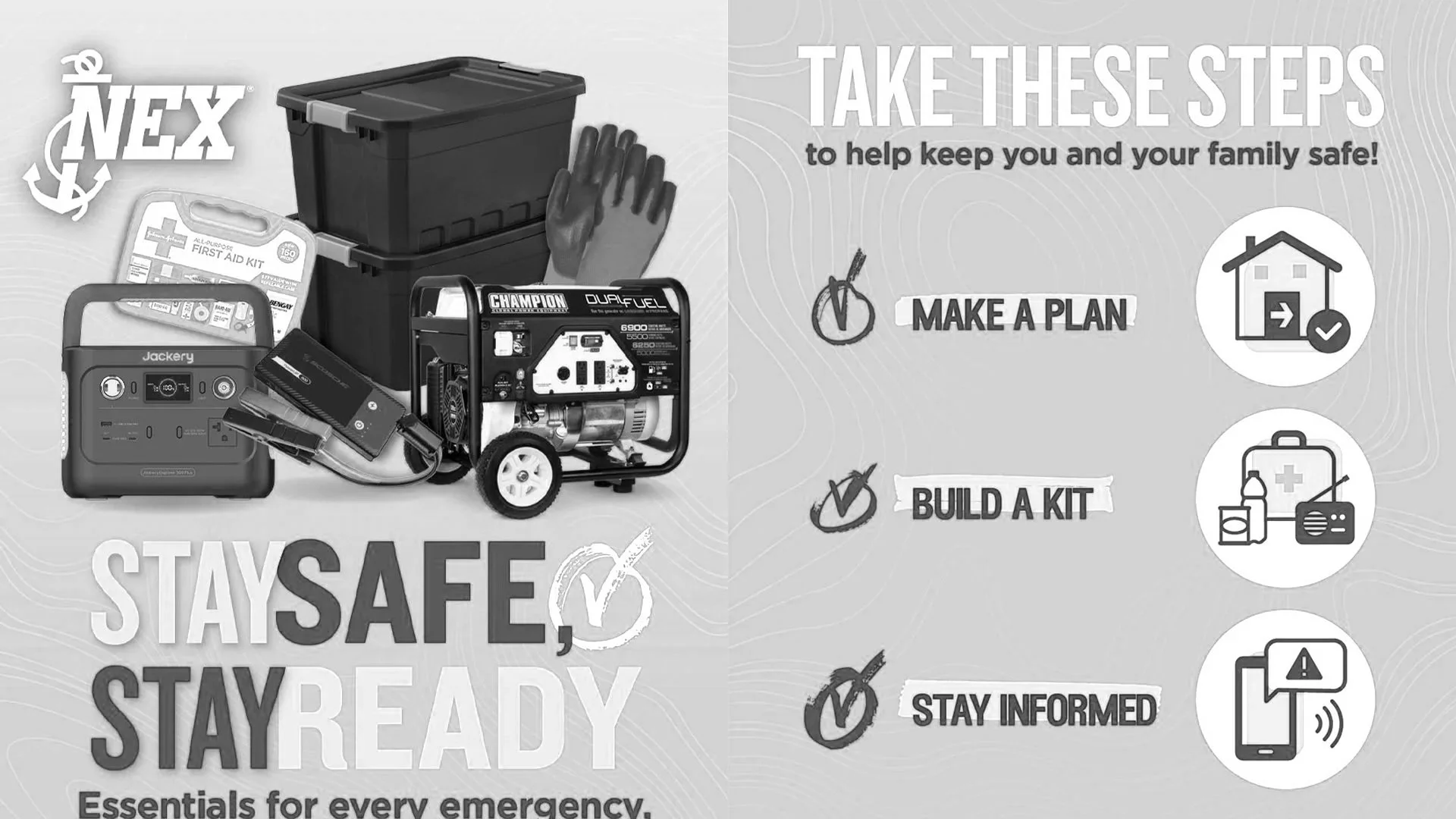
Retail Digital Advertising System
Retail Digital Advertising System (KEY PROJECT)
This is where ALL of these belong together:
* weekly “flyers” (digital promos)
* Google display ads (animated/static)
* email designs
* promotional panels
* landing page modules (if marketing-driven)
This is not separate work.
It is:
a cross-channel retail marketing production system
This is one of your strongest portfolio pieces if framed correctly.
Retail Digital Advertising System — Page Structure
1. Hero Section
Title:
Retail Digital Advertising System
Subtitle options:
Multi-channel retail campaign design system
Weekly promotional design across email, ads, and digital placements
Hero visual:
Use ONE strong composite image showing:
email + ad + panel + flyer all together
oryour strongest animated Google ad frame
This immediately signals “system,” not isolated pieces.
2. Overview (What this is)
Explain the ongoing nature of the work.
Example:
This project represents an ongoing retail digital advertising system created for weekly promotional campaigns. Work included designing email layouts, Google display ads (static and animated), and digital promotional panels, all built around evolving weekly product stories and offers.
Key ideas to include:
ongoing weekly production
multi-channel adaptation
consistent brand system under changing content
3. Role & Responsibilities
Be explicit here.
Designed weekly campaign assets
Created email layouts and templates
Produced Google display ads (static + animated)
Adapted promotional flyers into digital formats
Maintained visual consistency across channels
Collaborated with marketing/product teams
This helps people understand scale.
4. System Thinking (THIS IS IMPORTANT)
This is where your project becomes “portfolio-worthy.”
Explain:
how one weekly concept becomes multiple outputs
how design adapts per channel
how hierarchy changes (email vs ad vs panel)
Example:
Each weekly promotion began as a core retail message, which was then adapted across multiple digital formats including email, display ads, and in-platform promotional panels. The system ensured visual consistency while allowing flexibility for different screen sizes and user contexts.
5. Campaign Structure (How it works weekly)
Break it down visually:
Step 1: Core Offer / Message
Weekly deal or product focus
Step 2: Email Design
Full layout
storytelling / hierarchy
Step 3: Google Ads
condensed versions
multiple sizes
animated variants
Step 4: Digital Panels / Landing Modules
simplified UI versions
category or promo focus
This shows you understand production logic.
6. Email Design Section
Show:
3–6 strong email layouts
variation across weeks
mobile vs desktop if possible
Keep it curated—not every email.
7. Google Ads Section
This is a key visual section.
Show:
static ads
animated frames or GIFs
different sizes (if available)
variations of messaging
Tip: group them by campaign theme instead of by week.
8. Digital Flyers / Promotional Layouts
Even though they’re not print, call them:
“Digital promotional layouts”
or“Campaign visuals”
Show:
strongest 3–6 examples
variety in hierarchy and product focus
9. Cross-Channel Example (VERY POWERFUL SECTION)
Pick ONE week and show:
email version
ad version
flyer/panel version
This is the section that makes hiring managers go:
“Oh, they actually understand systems.”
10. Results / Impact (even if qualitative)
You don’t need fake metrics.
You can say:
improved consistency across channels
faster production through reusable system
clearer promotional hierarchy
Example:
The system allowed for faster weekly production while maintaining consistency across email, display ads, and in-platform promotions.
11. Closing / Reflection (short)
what the project taught you
how it evolved over time
how you improved efficiency or clarity
Keep it minimal.
What this project REALLY is (important mindset shift)
This is not:
email design project
ad design project
flyer project
It is:
A multi-channel retail campaign system
That’s why it deserves its own full page.
Why this is actually one of your strongest projects
Hiring managers will like this because it shows:
high-volume production capability
cross-platform thinking
consistency under constraints
real-world marketing workflow experience
A lot of designers can design one good ad.
Fewer can maintain a system across dozens of weekly campaigns.